
 OCC
It’s a chilly evening, and you’re relaxing at home when a friend mentions how much easier it has become to research cannabis products online. Instead of relying on word of mouth, you can read product descriptions, compare categories, and learn about different strains from your computer or phone. You decide to take a look, only to discover a long list of unfamiliar terms and product options. Where do you begin? For Canadians interested in cannabis, understanding the legal landscape, product labels, and quality standards is a sensible first step.
Understanding Canada’s Legal Cannabis Market
Canada legalized recreational cannabis at the federal level in 2018 through the Cannabis Act. However, legalization doesn’t mean every product can be sold by every retailer or purchased under the same conditions everywhere.
Provinces and territories set many of the rules governing retail sales, minimum age requirements, and where cannabis may be consumed. They also determine how authorized retail systems operate within their jurisdictions.
For example, the legal age for purchasing cannabis varies by province or territory. Rules about public possession, home cultivation, and consumption locations can also differ.
Before exploring a retailer, check the laws that apply where you live. Canada’s federal government provides information through its official Cannabis in Canada resource.
Understanding these rules helps you distinguish between general product information and options that are legally available in your location.
What to Look for in Cannabis Products
Cannabis products come in several formats, including dried flower, oils, edibles, and concentrates. Each has different characteristics, so learning the basics can make product descriptions easier to understand.
Dried Cannabis Flower
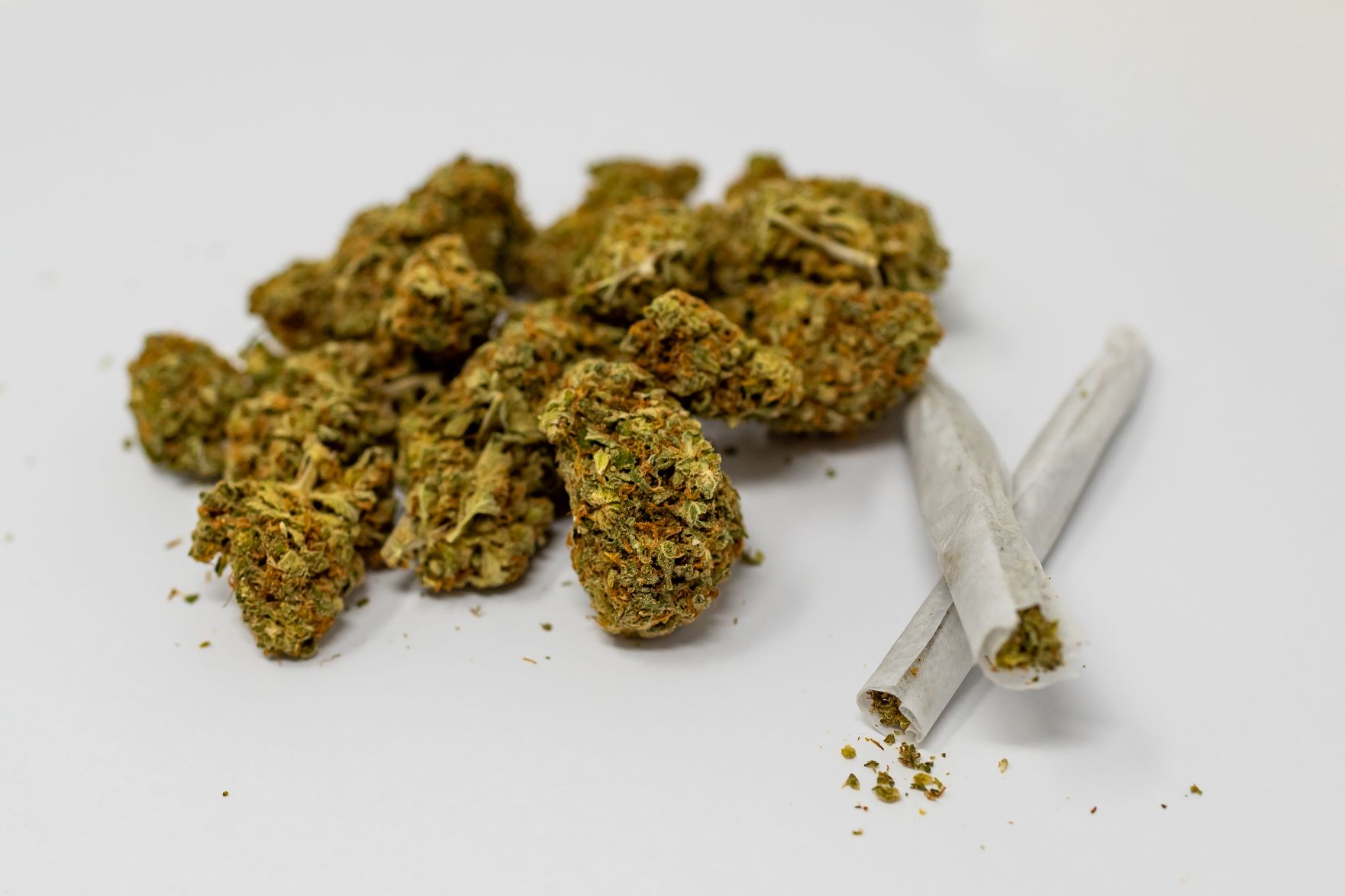
Dried flower consists of harvested cannabis buds. Product descriptions may include strain names, THC and CBD levels, and information about aroma.
THC is the main intoxicating compound in cannabis, while CBD is another well-known cannabinoid that doesn’t produce the same intoxicating effect.
Strain names can be interesting, but they don’t reliably predict how a product will affect every person. The actual cannabinoid profile, other plant compounds, and individual biology all play a role.
Cannabis Oils and Edibles
Cannabis oils contain cannabinoids in an oil-based preparation. Edibles include products such as gummies, chocolates, and beverages.
Edibles can take much longer to produce noticeable effects than inhaled cannabis. Their effects may also last longer, making it important to understand product labeling and avoid consuming additional amounts too soon.
Always check the package for serving information, ingredients, and THC content. Keep these products away from children and pets, especially when they resemble ordinary food.
Concentrates
Concentrates contain cannabis compounds in a more concentrated form. Examples include wax, shatter, rosin, and live resin.
Some concentrates contain very high levels of THC, which can increase the likelihood of unpleasant effects. Product descriptions should provide clear information about potency and ingredients.
The product format alone doesn’t establish safety or quality. Reliable testing and appropriate handling remain important.
How to Evaluate an Online Cannabis Retailer
Online shopping can make it easy to compare product descriptions, but not every website provides the same level of information.
If you’re considering a retailer, review several important details before making a decision.
Clear product descriptions: Look for information about the product type, ingredients, cannabinoid content, and package size.
Testing information: Laboratory reports may provide details about potency and screening for contaminants. Check whether the report applies to the specific product or batch.
Business transparency: Look for identifiable business information, clear policies, and evidence of the required authorization to sell cannabis.
Shipping and purchasing rules: Confirm age requirements, geographic restrictions, delivery terms, and applicable laws before considering an order.
Realistic claims: Be cautious of promises about guaranteed effects or medical benefits that aren’t supported by reliable evidence.
For Canadians, a particularly important distinction is whether a website is authorized to sell cannabis under the rules that apply to its operations. A website’s Canadian branding or shipping claims don’t automatically prove that its sales comply with Canadian law.
Exploring West Coast Bud Canada
People researching cannabis retailers may come across businesses that use regional branding or highlight different product categories. The name alone, however, doesn’t establish where a company operates, whether its products are tested, or whether its sales are legal in Canada.
The West Coast Bud Canada website is one starting point for examining a retailer’s online presence and the information it provides.
When reviewing the website, look for clear business details, product descriptions, relevant testing information, and policies that explain where products may legally be sold or shipped.
It’s worth confirming whether the retailer is authorized to serve customers in your province or territory. Canada’s legal cannabis framework includes specific requirements for production, distribution, and retail sales. Products offered through an online store shouldn’t be assumed to meet those requirements simply because they appear in a catalogue.
Consumers should also be cautious about purchasing cannabis from unauthorized sources. Product contents and handling may be uncertain, and the legal protections associated with regulated products may not apply.
Why Product Testing and Labels Matter
Product labels can help you understand what a package contains, but the information is most useful when supported by appropriate quality controls.
THC and CBD figures describe cannabinoid content. Ingredient lists help identify what else is included, particularly in oils, edibles, and other manufactured products.
For regulated cannabis products, applicable testing and labeling requirements help support consistency and product safety. Depending on the product and rules involved, testing may cover cannabinoid levels and contaminants.
Cannabis can also change during storage. Exposure to heat, light, and air may affect its characteristics over time, so packaging and storage instructions are worth reviewing.
Be cautious of claims that a particular strain guarantees relaxation, focus, or another specific experience. Cannabis affects people differently, and marketing descriptions can’t promise a predictable outcome.
Responsible Cannabis Use
Learning about products should go hand in hand with understanding their risks.
THC can impair attention, memory, coordination, and reaction time. Avoid driving while impaired and don’t combine cannabis with alcohol or other intoxicating substances.
People who are pregnant, breastfeeding, taking medication, or managing health conditions should consult a qualified healthcare professional about potential risks.
Keep cannabis securely stored away from children and pets. Edibles deserve special care because they can resemble ordinary snacks and may cause serious harm if accidentally consumed.
For additional information, Health Canada provides guidance on cannabis health effects.
Conclusion
Exploring cannabis products in Canada begins with understanding the law, learning how product categories differ, and knowing what information to look for when evaluating a retailer. Clear labeling, appropriate testing, and transparent business practices are more meaningful than attractive packaging or familiar product names.
Whether you’re researching cannabis for the first time or comparing online catalogues, take time to verify the facts and check the rules where you live. What will you look for first when evaluating a cannabis product or retailer in Canada?
Medical Disclaimer:
The information provided in these blog posts is intended for general informational and educational purposes only. It is not a substitute for professional medical advice, diagnosis, or treatment. Always seek the advice of your physician or other qualified healthcare provider with any questions you may have regarding a medical condition. The use of any information provided in these blog posts is solely at your own risk. The authors and the website do not recommend or endorse any specific products, treatments, or procedures mentioned. Reliance on any information in these blog posts is solely at your own discretion.

 OCC