 OCC
Imagine you’re talking with a friend who has recently become interested in cannabis. They describe a product with an appealing name, attractive packaging, and glowing reviews. It sounds impressive, but you wonder how much those details really tell you. Is the product fresh? Has it been tested? Does the label accurately describe what’s inside? These questions are worth asking because cannabis quality involves much more than a catchy name or a polished presentation.
What Does Cannabis Quality Really Mean?
Cannabis quality can refer to several different characteristics, including freshness, cannabinoid content, aroma, cultivation methods, and product safety.
A product might have a strong aroma but lack clear testing information. Another might have a detailed label but have been stored poorly. Looking at several factors together gives you a more complete picture.
Here are some of the main things to consider:
- Accurate labeling: The package should clearly identify the product and provide relevant information about its contents.
- Cannabinoid content: THC and CBD levels help explain the product’s chemical profile.
- Freshness: Storage conditions and packaging dates can provide clues about product condition.
- Laboratory testing: Testing can help identify potency and possible contaminants.
- Seller transparency: Clear business information and appropriate licensing can help you assess whether a seller operates within applicable rules.
No single characteristic tells the entire story. A careful review of the available information is more useful than relying on appearance or advertising alone.
Why Cultivation and Handling Matter
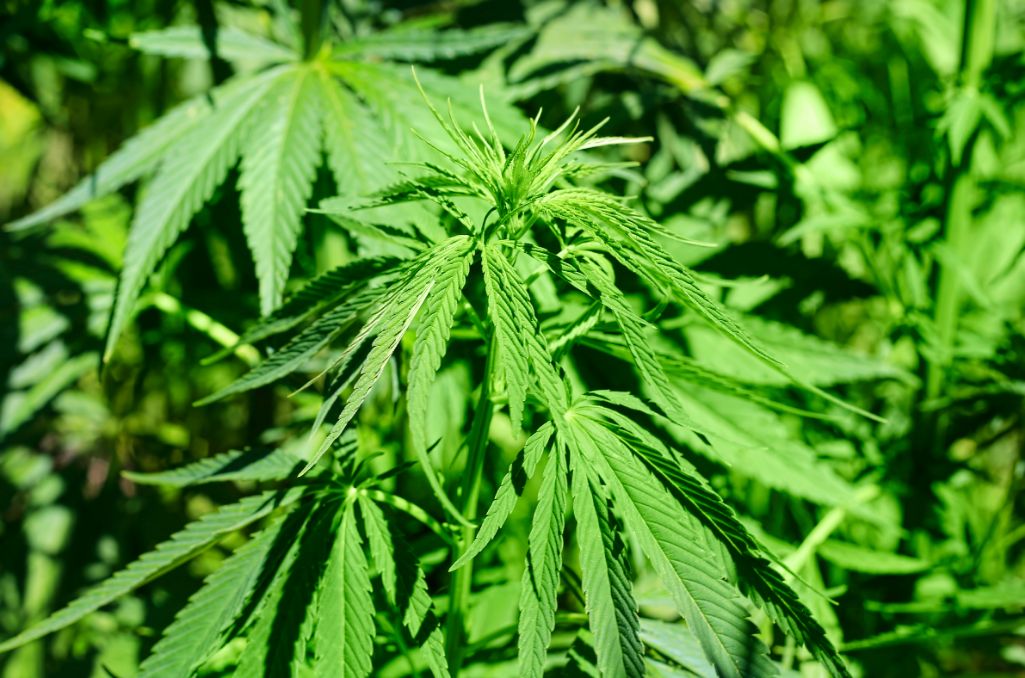
Cannabis plants are affected by their growing environment. Light, temperature, humidity, water, and nutrients all play a role in plant development.
Growing practices can also influence the characteristics of harvested cannabis. However, impressive cultivation claims don’t automatically establish that a finished product is safe or consistent.
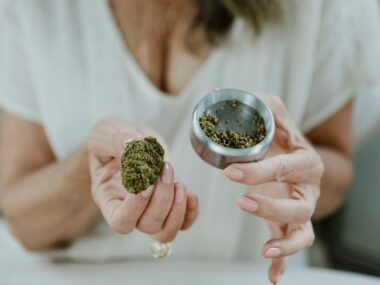
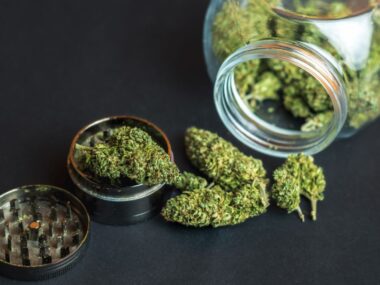
Post-harvest handling matters, too. Drying and curing help prepare cannabis flower for storage and use. If these steps are poorly managed, the product may have an undesirable texture or aroma. Improper storage can further affect its condition.
Cannabis should be protected from excessive heat, light, and air. Moisture control is also important because unsuitable conditions can encourage mold growth.
Never use a product that appears moldy or otherwise contaminated. If you’re unsure about its condition, contact the seller or follow the relevant product-safety guidance.
Understanding THC, CBD, and Terpenes
Cannabis contains a range of chemical compounds, and their levels vary among products.
THC and Potency
THC, short for tetrahydrocannabinol, is the main intoxicating compound in cannabis. Product labels may list THC as a percentage or as an amount per serving or package.
These measurements help describe potency, but higher THC content doesn’t automatically mean better quality. High-potency products can increase the risk of unwanted effects, including anxiety, confusion, and impaired coordination.
CBD and Other Cannabinoids
CBD, or cannabidiol, is another well-known cannabis compound. It does not cause the same intoxicating effects as THC, but it can interact with certain medications.
Some products contain both THC and CBD, while others emphasize one compound. Checking the label helps you understand what the manufacturer reports about the product.
Terpenes and Aroma
Terpenes are aromatic compounds found in plants. In cannabis, they contribute to scents that may remind you of citrus, pine, flowers, or herbs.
Terpene information can be useful when comparing products, but aroma alone doesn’t establish potency or safety. Claims that a particular terpene guarantees a certain effect should be treated cautiously because research is still developing.
The Importance of Independent Testing
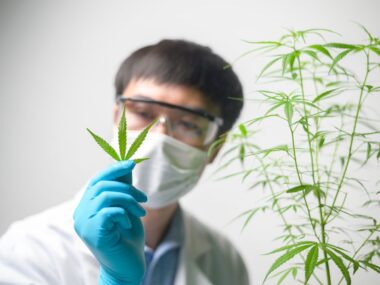
Laboratory testing can provide information that you cannot reliably determine by looking at a product.
Depending on local regulations and the testing program, a report may cover cannabinoid content and contaminants such as pesticides, heavy metals, and harmful microorganisms.
A certificate of analysis, commonly called a COA, documents laboratory findings for a particular sample. When reviewing one, consider these questions:
- Does the report identify the product or batch?
- Is the laboratory clearly identified?
- Are the reported testing methods and results available?
- Does the report cover the substances relevant to the product?
- Is the report current and consistent with the product being offered?
Testing standards vary by location, and a laboratory report is only as useful as the sample and tests it covers. A report for one batch shouldn’t automatically be assumed to apply to another.
What to Check When Browsing Online Cannabis Stores
Online catalogues can help consumers compare product descriptions and learn about different cannabis categories. Still, it’s important to distinguish useful information from promotional language.
The West Coast Bud website provides a starting point for exploring an online cannabis retailer. When browsing this or any other store, review individual product listings carefully.
Look for clear descriptions, cannabinoid information, ingredient lists where applicable, and relevant laboratory reports. Check whether package sizes and prices are easy to understand. Review the seller’s business details and any applicable licensing information.
Be cautious if a retailer promises guaranteed effects, makes unsupported medical claims, or provides little information about product contents.
You should also confirm local purchasing and shipping rules before considering an order. Cannabis laws differ across countries, states, and other jurisdictions, and an online listing doesn’t establish that a product can legally be purchased or shipped to your location.
Common Mistakes to Avoid
Even people who have spent time learning about cannabis can make assumptions based on incomplete information.
Choosing by name alone: Strain names don’t provide a complete picture of a product’s composition or effects.
Assuming higher potency means better quality: THC concentration is only one measurement, and stronger products may carry greater risks.
Ignoring storage conditions: Heat, light, air, and moisture can affect product quality.
Trusting every online review: Reviews describe personal experiences and may not reflect the product’s current condition or testing results.
Overlooking legal requirements: Age limits, possession rules, and sales regulations vary by location.
Taking a few extra minutes to check these details can help you make more informed decisions.
Responsible Cannabis Use Starts With Knowledge
Understanding product quality is only one part of responsible cannabis education. THC can affect attention, memory, reaction time, and coordination. Never drive while impaired, and avoid combining cannabis with alcohol or other intoxicating substances.
Keep products securely stored away from children and pets. Edibles require particular care because their effects may take longer to appear and can last for many hours.
People who are pregnant, breastfeeding, taking medications, or managing health conditions should speak with a qualified healthcare professional about potential risks.
The Centers for Disease Control and Prevention offers further information about cannabis health effects and precautions.
Conclusion
Understanding cannabis quality means looking beyond packaging, product names, and marketing claims. Cultivation and storage matter, but so do accurate labels, appropriate laboratory testing, and transparent sellers. Learning how these factors fit together can help you evaluate product information more carefully.
Whether you’re researching cannabis for the first time or expanding your existing knowledge, asking the right questions is a valuable habit. What information would help you feel more confident when evaluating a cannabis product?
Medical Disclaimer:
The information provided in these blog posts is intended for general informational and educational purposes only. It is not a substitute for professional medical advice, diagnosis, or treatment. Always seek the advice of your physician or other qualified healthcare provider with any questions you may have regarding a medical condition. The use of any information provided in these blog posts is solely at your own risk. The authors and the website do not recommend or endorse any specific products, treatments, or procedures mentioned. Reliance on any information in these blog posts is solely at your own discretion.

 OCC